DHAKA — October 21, 2026 | Digitalita.com
Accounts from families and former students highlight concerns over alleged sexual abuse, barriers to reporting and the effectiveness of safeguarding measures in religious boarding institutions.
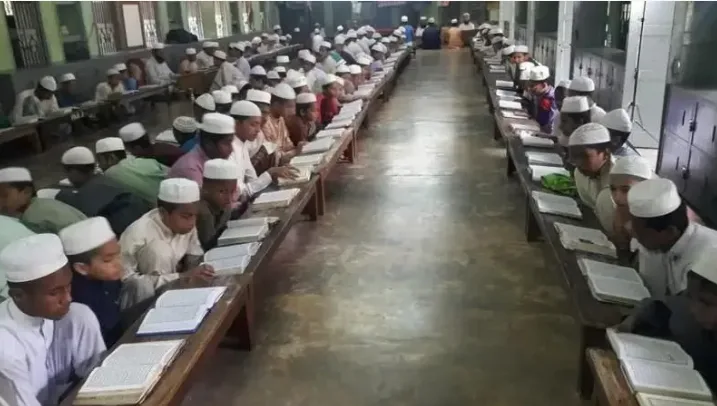
Allegations of sexual abuse involving boys at Islamic seminaries in Bangladesh have raised serious questions about child protection, institutional accountability and the handling of complaints in residential religious educational institutions. According to a report by BBC News Bangla, families and former madrasa students have described alleged abuse and difficulties faced by children attempting to report incidents. The accounts have renewed calls for stronger safeguards, independent investigations and more effective monitoring of institutions responsible for children's welfare. The allegations have not been independently verified for this article. They should not be treated as established facts unless supported by evidence and the appropriate legal process.
Father Alleges Seven-Year-Old Son Was Abused
One case highlighted in the BBC report concerns a father who alleged that his seven-year-old son was sexually abused at a madrasa. According to the father's account, older students were allegedly involved in the abuse, and a teacher was also accused of participating. The father further alleged that when the child attempted to report the incident to a senior religious figure at the institution, he was beaten and pressured to remain silent rather than being offered protection. The allegations are serious and require careful investigation. The claims have not been independently established in this article, and any individuals accused of wrongdoing are entitled to due process. The case has also drawn attention to the difficulties children may face when reporting abuse in institutions where they depend on teachers and administrators for their daily care and safety.
Online Platform Receives Reports From Former Students
The BBC report also highlighted Awaz.bd, an online platform established by former madrasa students to document accounts of childhood sexual abuse, including allegations involving religious educational institutions. According to the report, the platform received approximately 170 submissions during its first 10 days, around 30 of which concerned madrasas. The submissions represent accounts shared by individuals and do not, by themselves, establish that the alleged incidents occurred. However, they have added to calls for safer reporting channels and more effective responses to complaints. Platforms that allow survivors to share their experiences may help bring sensitive issues into public discussion, particularly where stigma, fear of retaliation or concerns about institutional reputations discourage people from speaking openly. Each allegation, however, requires appropriate assessment and, where necessary, an impartial investigation.
Concerns Over Safeguards in Residential Madrasas
Children living in residential educational institutions may spend extended periods away from their families and rely on teachers, administrators and other students for their daily needs. In such settings, reporting abuse can be particularly difficult if children do not know whom to approach or fear that speaking out could lead to punishment or further harm. Accounts cited in the BBC report have raised concerns about whether children have access to confidential complaint mechanisms and whether allegations can be investigated independently of the people or institutions involved. Child protection measures commonly include appropriate background checks for staff, clear safeguarding policies, training for teachers, confidential reporting channels and procedures for responding promptly to allegations. Experts also emphasise that children who report abuse should receive appropriate support and protection against intimidation or retaliation.
Religious Authorities Face Calls for Stronger Oversight
The BBC report also discussed guidance associated with Bangladesh's Al-Haiatul Ulya, a body linked to Qawmi madrasa education. According to the report, the guidance includes prohibiting corporal punishment, establishing or reactivating student protection committees and ensuring that complaints are investigated impartially. The effectiveness of these measures depends on consistent implementation and meaningful oversight. Safeguarding policies must be more than written instructions; institutions need clear procedures for receiving complaints, protecting children and addressing substantiated misconduct. Investigations must also be conducted fairly, with due regard for the safety and privacy of children and the legal rights of those accused.
Breaking the Silence Around Child Abuse
The allegations have renewed debate about the responsibilities of madrasa administrators, religious authorities and government agencies in preventing abuse and protecting children. Creating a safe environment requires children to know how to report inappropriate behaviour, adults to respond seriously to complaints and institutions to ensure that reports are not suppressed. Confidential reporting mechanisms, trained safeguarding personnel, independent investigations and protection from retaliation can help children come forward without fear. The central question is whether the institutions responsible for educating and caring for children can ensure that safeguarding rules are consistently enforced and that allegations of abuse receive a credible response. The accounts reported by BBC News Bangla underscore the importance of protecting children while ensuring that allegations are assessed through fair and transparent procedures.
Source credit: BBC News Bangla
Editorial note: This article is based on reporting by BBC News Bangla.
تازہ ترین پوسٹس