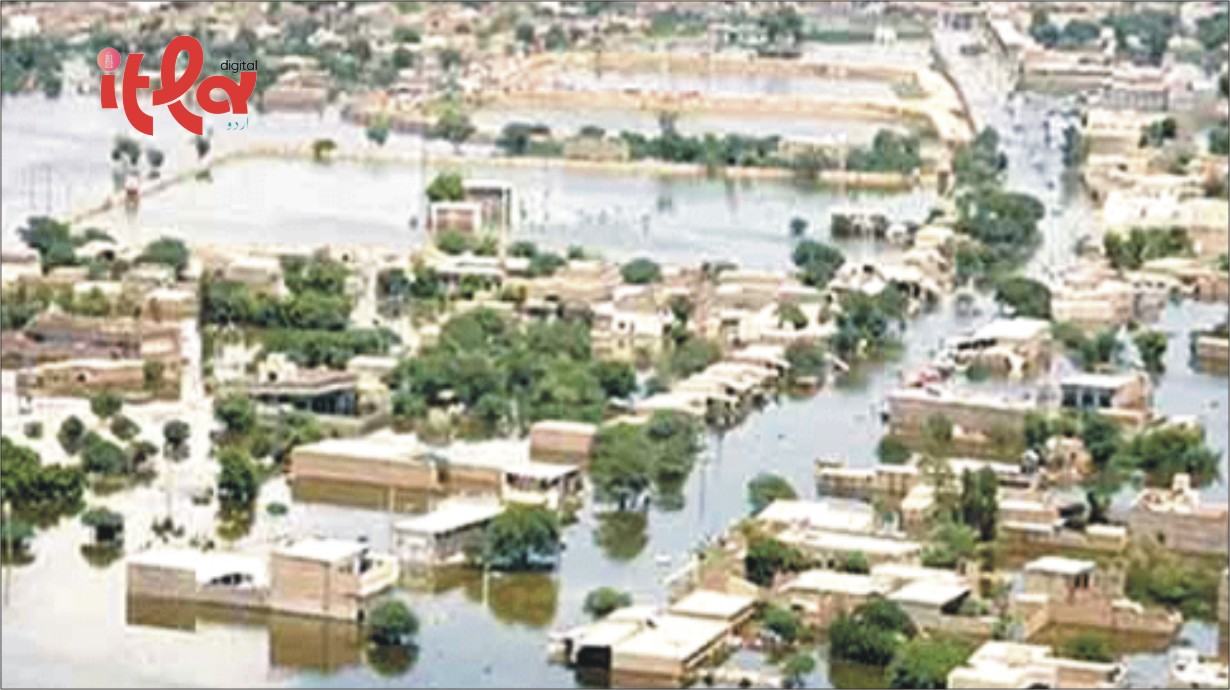
(Digital Itla) In view of the risk of various infectious diseases spreading due to heavy rains and floods, the National Institute of Health (NIH) has issued a nationwide alert. According to the National Institute of Health, there is a risk of cholera, typhoid, malaria, and dengue spreading during the rains, as stagnant rainwater can cause malaria or dengue to spread. The National Institute of Health has directed provincial governments and district administrations to remain on high alert. According to the statement, surveillance systems should be activated to prevent epidemic diseases during the monsoon, as contaminated water or food contamination can cause the spread of diseases like cholera and typhoid. According to the NIH advisory, there are risks of lightning strikes or electric shocks during monsoon rains; citizens should stay away from electricity poles and fallen wires during rains, and there is a risk of loss of life due to collapsing walls and roofs in rain or floods. According to the advisory, snakebite incidents may increase during floods, and floodwater can also cause dangerous infections to spread; hospitals should stock an adequate quantity of medicines, anti-snake venom, and ORS.
Categories
Latest Posts